How to Identify the Right Hydraulic Seals for Your Equipment in Chesapeake, VA
Choosing the right hydraulic seals in Chesapeake, VA, can mean the difference between a system that runs smoothly and one that fails at the worst moment. Whether you operate marine vessels near the Elizabeth River, run heavy construction equipment around the Great Bridge corridor, or manage port-adjacent industrial machinery, seal selection is a practical skill worth developing.
Rod, Piston, and Wiper Seals Are Not Interchangeable
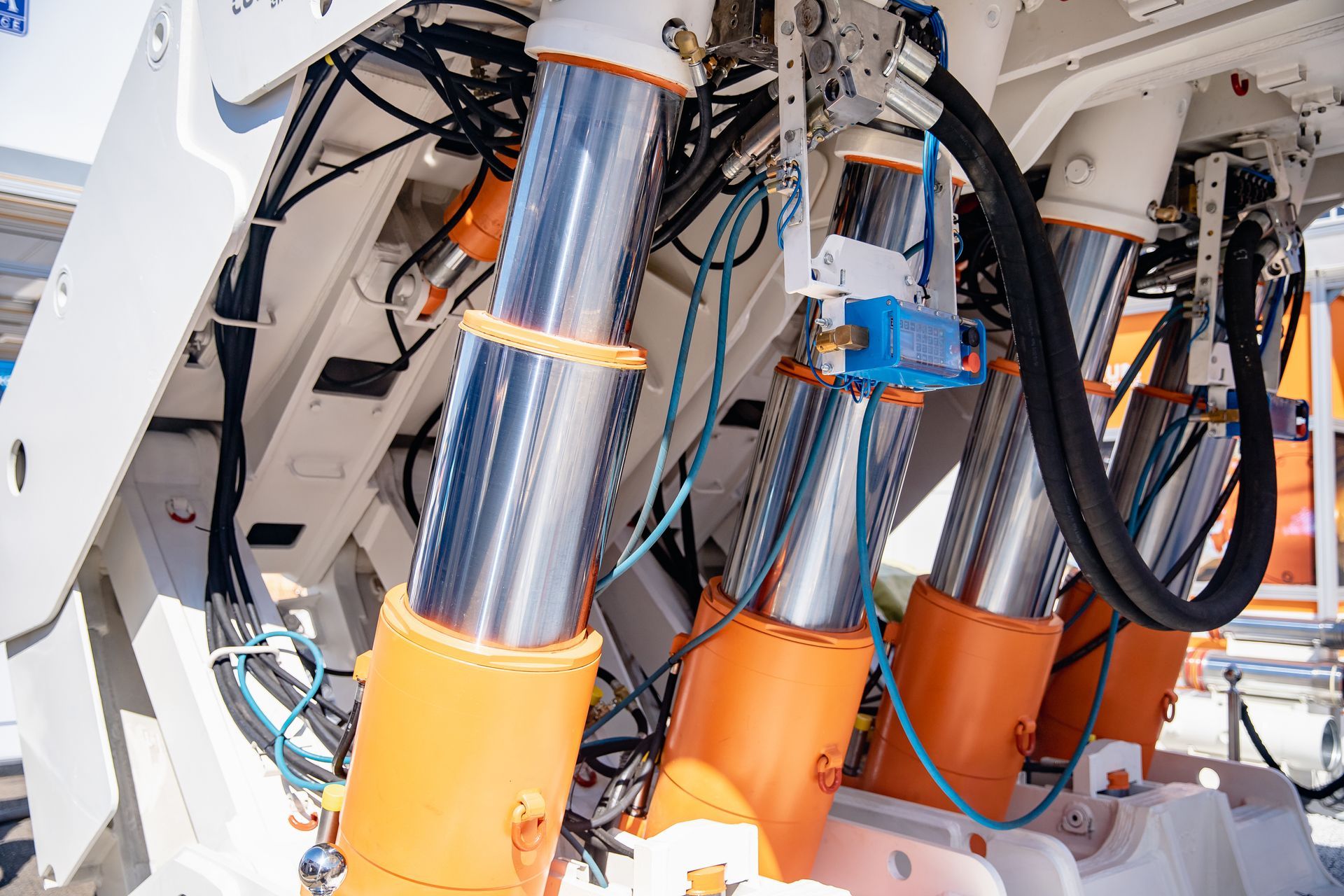
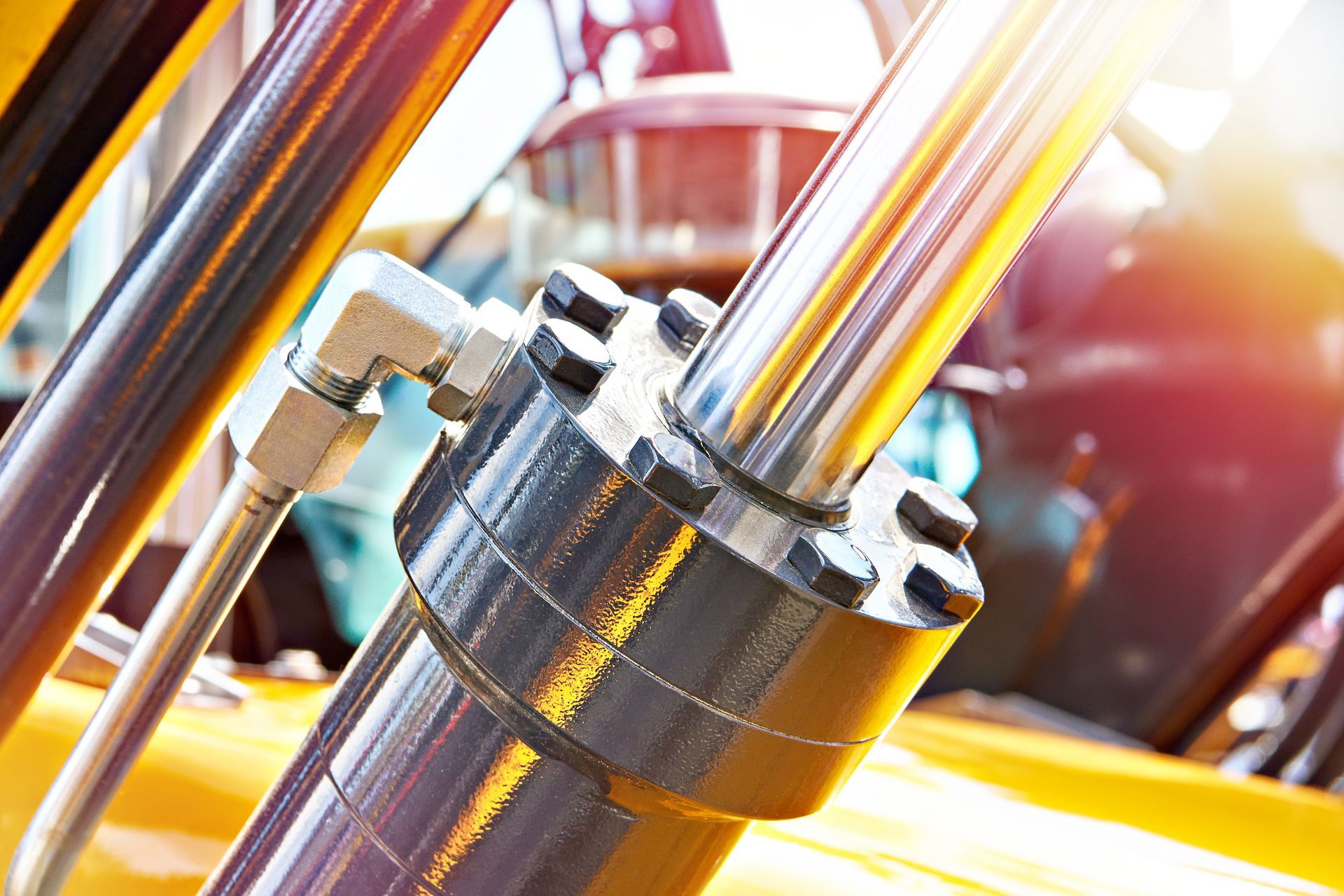
Each hydraulic seal serves a different role. Rod seals sit between the piston rod and cylinder head, preventing fluid from leaking out. Piston seals keep fluid from bypassing the piston, maintaining the pressure that drives movement. Wiper seals are positioned at the outer end of the cylinder to stop dirt, moisture, and debris from entering.
Mixing seal types or substituting one for another leads to immediate leakage or accelerated wear. On Chesapeake, VA's expanding industrial sites and along the Route 17 corridor, abrasive grit and moisture from the region's low-lying terrain can destroy a wiper seal quickly if the wrong material or profile is used.
How Do You Measure for Correct Hydraulic Seals?
Accurate measurement is the most important step in seal identification. You need three dimensions: inner diameter, outer diameter, and cross-section width. Even a fraction of an inch off can cause leakage under pressure or extrusion into the clearance gap.
Use a digital caliper rather than a standard ruler. Measure the worn seal while it still holds reasonable shape, then cross-reference those numbers against the cylinder bore and rod diameter. If the seal has deformed from heat or pressure, measuring the groove directly is often more reliable.
When Should You Request Custom-Cut Seals?
Standard sizes cover most common cylinders, but older marine equipment, military-specification cylinders, and specialized dredge or port machinery often fall outside catalog dimensions. Custom-cut seals are the practical answer when a standard profile is unavailable or when lead times for proprietary parts are unacceptable.
Matching Seal Material to Your Operating Environment
Material choice matters as much as shape.
The three most common options are the following:
- Buna-N (Nitrile): Works well with petroleum-based hydraulic fluids and is cost-effective for general construction and mobile equipment.
- Viton (FKM): Offers higher temperature resistance and better chemical compatibility, suitable for marine applications where heat and saltwater exposure are concerns.
- PTFE: Provides low friction and excellent chemical resistance, often specified for high-cycle or precision hydraulic systems.
Chesapeake, VA's humid coastal climate and proximity to tidal water can shorten seal life when materials are not rated for wet or salt-air exposure, so verifying compatibility before ordering is worth the time.
Local Callout: Chesapeake, VA, Industries That Depend on Hydraulic Seals
Chesapeake, VA, is home to port-adjacent industrial activity along the Southern Branch of the Elizabeth River, active construction projects, and maritime operations tied to the broader Hampton Roads region. Crane systems, dredge cylinders, dock levelers, and mobile hydraulic equipment in these environments all rely on correctly specified seals to stay operational.
Ready to Source the Right Hydraulic Seals?
Getting seal type, size, and material right from the start prevents rework and unplanned downtime. If you are working through a seal identification problem or need custom-cut options for unusual cylinder dimensions, HyVal Industries is ready to help with hydraulic seals. Call (757) 855-2026 or contact the team directly to discuss your application. You can also explore shop services and capabilities to see how hydraulic support is handled end to end. Find HyVal Industries on Google to read reviews and get directions.