Deciding whether to repair or replace a pneumatic cylinder is one of the most practical cost decisions Virginia Beach, VA, manufacturers face when equipment underperforms. Understanding the factors behind that decision helps plant managers, maintenance supervisors, and fleet operators avoid unnecessary spending and keep production lines moving.
Cost Factors That Shape the Repair-vs.-Replacement Decision
Pneumatic cylinder repairs are often more cost-effective than replacement when the cylinder body is structurally sound. The main cost drivers to weigh are parts availability, labor time, and the age of the overall system the cylinder serves.
When seals, rods, or end caps are the only worn components, a rebuild typically restores full function at a fraction of the cost of a new unit. Parts for older cylinders with non-standard bore sizes can be harder to find, which pushes repair costs closer to the cost of replacement. Shops with in-house machining can often fabricate custom components, keeping repair costs competitive even for specialty cylinders.
A useful rule of thumb: if the estimated repair cost exceeds 60 percent of the price of a comparable new cylinder, replacement deserves a closer look. That threshold helps frame the conversation before work begins.
Signs a Pneumatic Cylinder May Be Beyond Repair
Some conditions make repair impractical. Watch for these indicators:
▸ Severe barrel scoring or deep gouges along the cylinder bore that cannot be honed out.
▸ Bent or heavily corroded rods that have compromised structural integrity.
▸ Cracked end caps or barrel walls, which present performance and safety concerns.
▸ Repeated seal failures on the same cylinder within a short period, suggesting the bore surface is the underlying problem.
▸ Internal contamination from fluid seeping in or chemical exposure that has degraded the metal beyond resealing.
In Hampton Roads, cylinders used in marine-adjacent environments, shipyards, and port-side facilities can experience accelerated corrosion from salt air and humidity, sometimes shortening a cylinder's serviceable life. For guidance on recognizing early warning signs, see
Pneumatic Cylinder Failure Warning Signs.
How a Hampton Roads Shop Evaluates a Cylinder
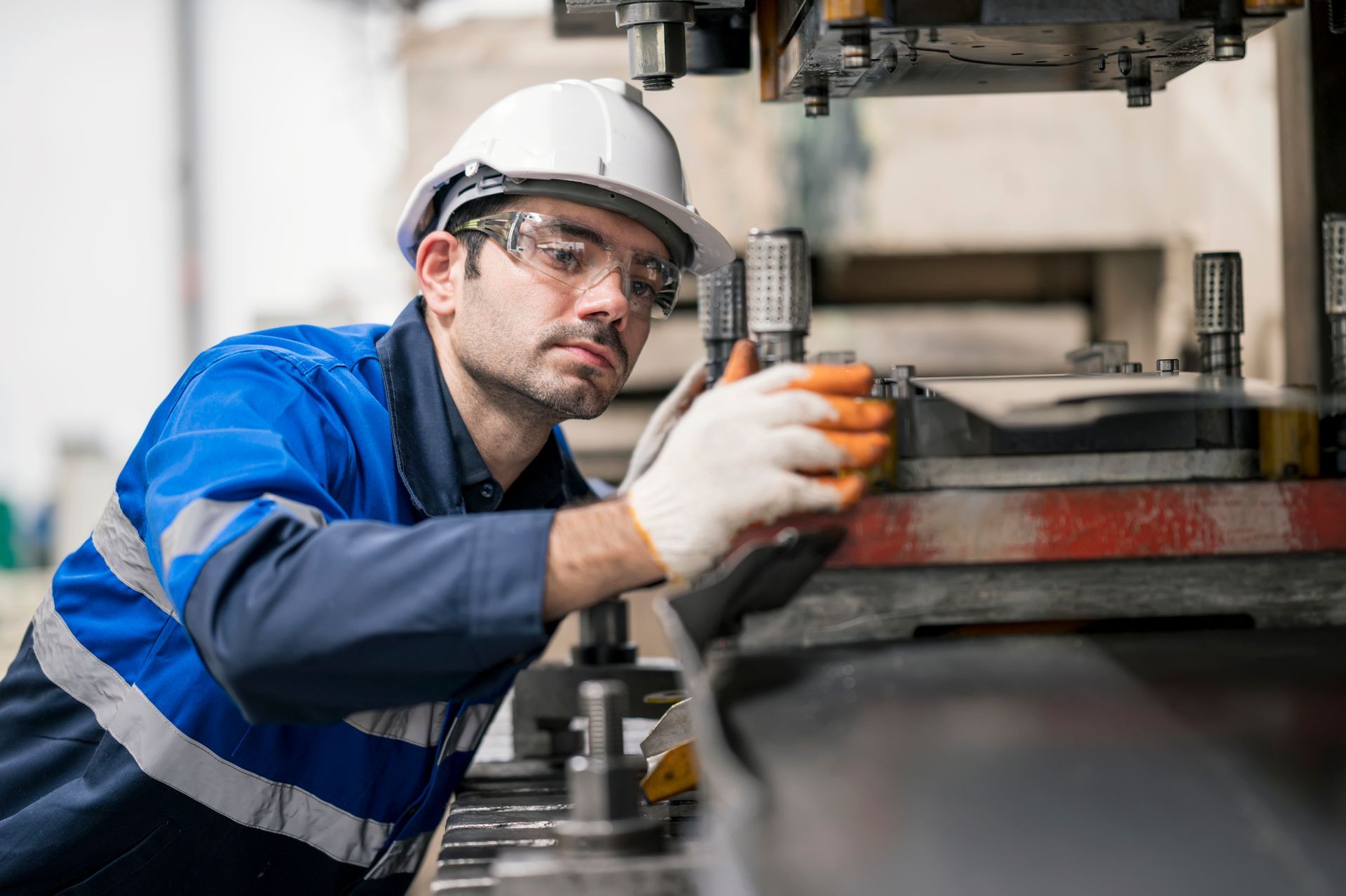
A qualified shop follows a structured inspection before recommending pneumatic cylinder repairs or replacement. A typical evaluation covers:
▸ Visual inspection of the rod, barrel, and end caps for visible damage.
▸ Bore measurement to check whether the cylinder wall is within tolerance for honing.
▸ Seal and wiper condition to determine if leakage stems from routine wear or deeper damage.
▸ Rod straightness check, since a bent rod will destroy new seals quickly.
▸ Pressure and leak testing after reassembly to confirm the cylinder meets specifications before leaving the shop.
Shops with on-site machining can manufacture replacement rods, re-bore barrels, or fabricate end caps when OEM parts are unavailable. That capability is especially valuable for Virginia Beach manufacturers running older equipment or specialized defense-related systems where off-the-shelf parts may not exist.
Industries in Virginia Beach and Hampton Roads That Benefit Most
Several sectors in the Hampton Roads region depend heavily on reliable pneumatic cylinder performance.
Naval and defense contractors supporting Naval Station Norfolk operate complex systems where downtime carries serious consequences. Cylinder repair turnaround time matters as much as repair quality in those environments.
Port and maritime operations at the Port of Virginia move cargo around the clock. Crane systems, dock levelers, and container handlers all use pneumatic and hydraulic cylinders that operate under constant load cycles. Fast, accurate repairs keep those operations on schedule.
Commercial contractors, electrical utilities, and tree services throughout Tidewater run bucket trucks, auger rigs, and cable-pulling equipment that rely on mobile pneumatic systems. Getting a cylinder evaluated and back in service quickly reduces downtime that cuts into billable hours.
Frequently Asked Questions About Pneumatic Cylinder Repairs
Title or question
Describe the item or answer the question so that site visitors who are interested get more information. You can emphasize this text with bullets, italics or bold, and add links.Title or question
Describe the item or answer the question so that site visitors who are interested get more information. You can emphasize this text with bullets, italics or bold, and add links.Title or question
Describe the item or answer the question so that site visitors who are interested get more information. You can emphasize this text with bullets, italics or bold, and add links.
Standard sizes cover most common cylinders, but older marine equipment, military-specification cylinders, and specialized dredge or port machinery often fall outside catalog dimensions. Custom-cut seals are the practical answer when a standard profile is unavailable or when lead times for proprietary parts are unacceptable.
Matching Seal Material to Your Operating Environment
Material choice matters as much as shape.
The three most common options are the following:
- Buna-N (Nitrile): Works well with petroleum-based hydraulic fluids and is cost-effective for general construction and mobile equipment.
- Viton (FKM): Offers higher temperature resistance and better chemical compatibility, suitable for marine applications where heat and saltwater exposure are concerns.
- PTFE: Provides low friction and excellent chemical resistance, often specified for high-cycle or precision hydraulic systems.
Chesapeake, VA's humid coastal climate and proximity to tidal water can shorten seal life when materials are not rated for wet or salt-air exposure, so verifying compatibility before ordering is worth the time.
Local Callout: Chesapeake, VA, Industries That Depend on Hydraulic Seals
Chesapeake, VA, is home to port-adjacent industrial activity along the Southern Branch of the Elizabeth River, active construction projects, and maritime operations tied to the broader Hampton Roads region. Crane systems, dredge cylinders, dock levelers, and mobile hydraulic equipment in these environments all rely on correctly specified seals to stay operational.
Ready to Source the Right Hydraulic Seals?
Getting seal type, size, and material right from the start prevents rework and unplanned downtime. If you are working through a seal identification problem or need custom-cut options for unusual cylinder dimensions, HyVal Industries is ready to help with hydraulic seals. Call (757) 855-2026 or contact the team directly to discuss your application. You can also explore shop services and capabilities to see how hydraulic support is handled end to end. Find HyVal Industries on Google to read reviews and get directions.
Can a Pneumatic Cylinder Be Rebuilt More Than Once?
Yes, many cylinders can be rebuilt multiple times if the barrel and structural components remain in good condition. Each rebuild should include a full inspection to confirm the bore is still within spec. A properly maintained cylinder can often yield several rebuilds before replacement becomes necessary.
How Long Does a Typical Pneumatic Cylinder Repair Take?
Turnaround time depends on parts availability and the extent of internal damage. Straightforward seal replacements on common cylinder sizes may be completed quickly, while custom machining or hard-to-source components can extend the timeline. Asking the shop upfront about lead times helps maintenance teams plan around the repair.
Is It Worth Repairing an Older Pneumatic Cylinder?
Age alone does not determine repairability. What matters is the condition of the barrel and rod. An older cylinder in good structural shape can often be rebuilt cost-effectively, while a newer cylinder with a scored bore or cracked housing may make replacement the smarter call. A qualified technician's evaluation is the most reliable basis for that decision.
Get an Expert Evaluation Before You Decide
The choice to repair or replace should rarely be made on gut instinct. A hands-on inspection by a qualified technician gives manufacturers the accurate picture they need to protect both their equipment and their budget.
HyVal Industries serves Virginia Beach, VA, and the broader Hampton Roads region with pneumatic cylinder repairs, rebuilds, and full shop inspection services. Visit the
Pneumatic Cylinder Repairs service page or
contact the team directly. Call
(757) 855-2026 to speak with a technician today.